








Thermal Mud and Mud therapy

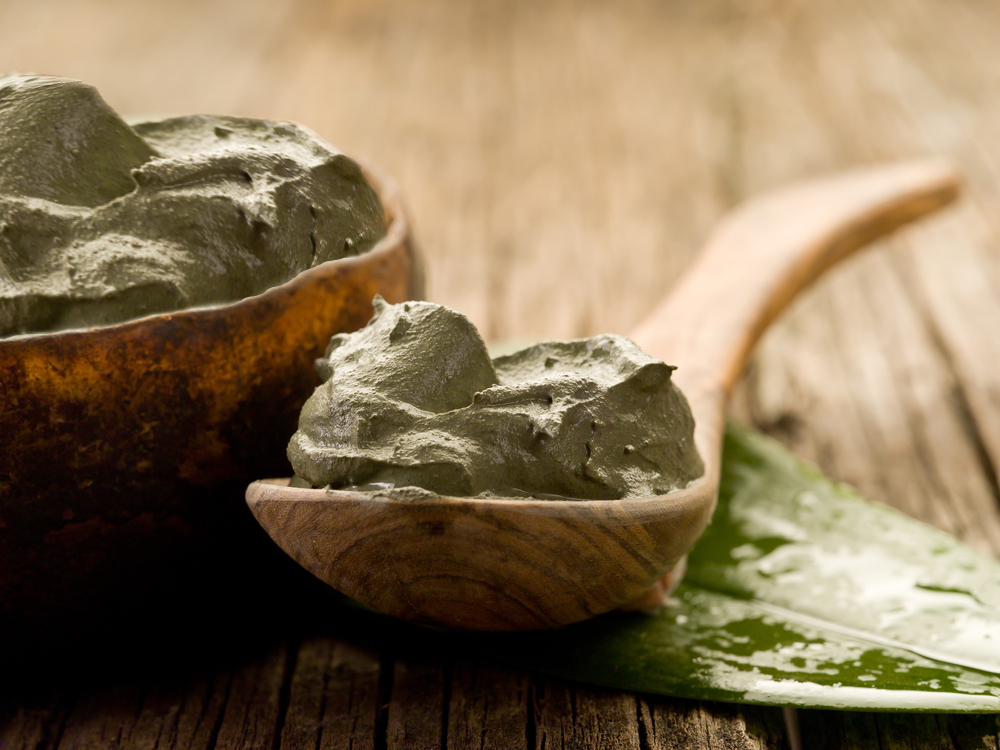
The mud of Abano and Montegrotto Terme are the result of an astute mixture of a solid (clay), a liquid (salty-bromic-iodic water) and a biological component (microorganisms and biomaterials).
To make mud efficient for curative scopes, its ripening process in special tanks has to last approximately 50-60 days during which mud is kept in constant contact with a steady flow of thermal water at a temperature of 60°C.
Temperature and chemical components of the Euganean thermal water cause the development of particular strains of microbes that modify the mud's chemical and chemical-physical properties and impart it with the therapeutic properties that make this mud so unique.
The mud therapy session is comprised of 4 therapeutic moments or phases:
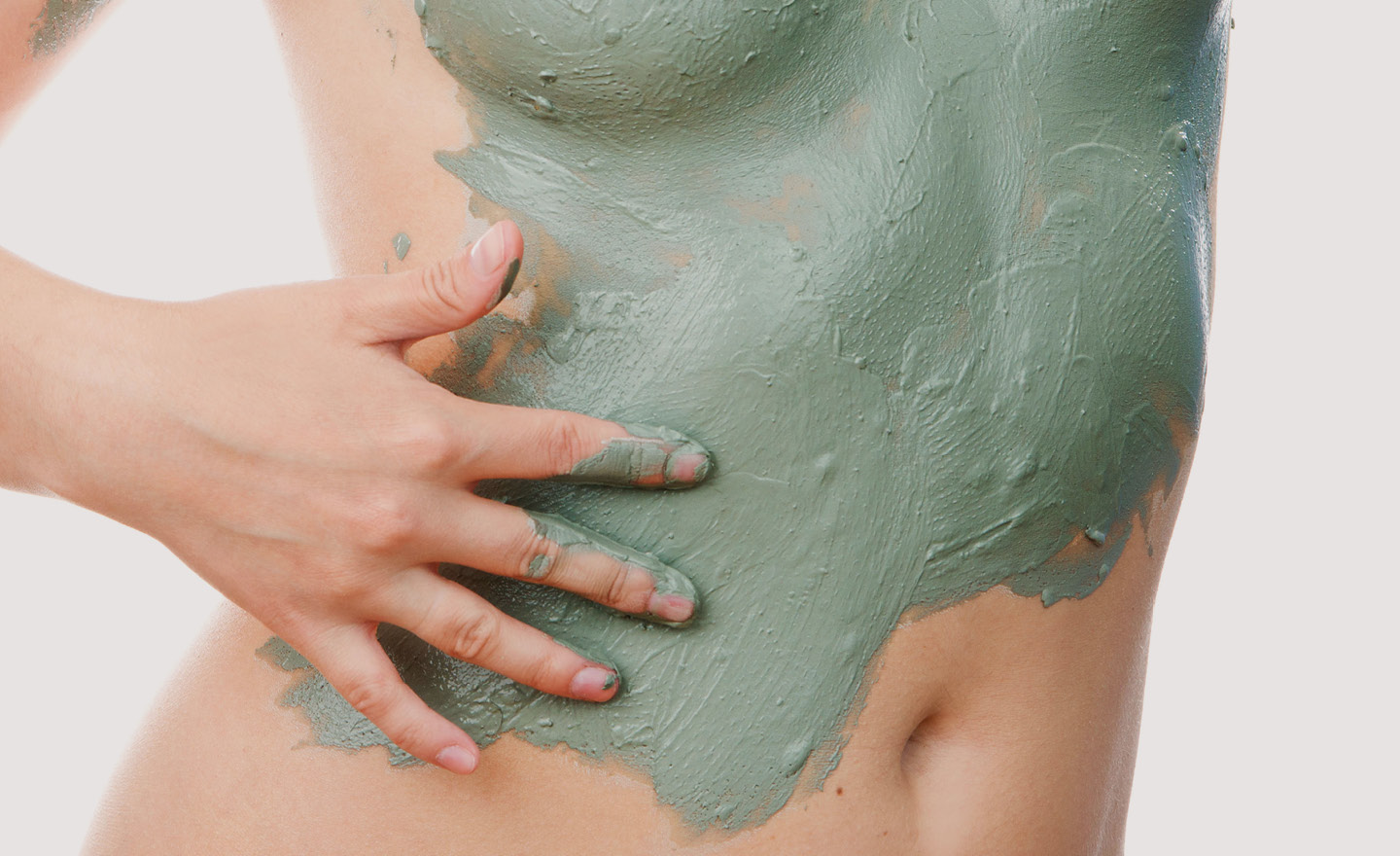
- Smearing: warm mud is applied onto the skin with a layer about 5-10 cm thick and it is left on for about 20 minutes. Mud can be applied by means of "full body" (the head, the front area of the neck and the chest are free as well as the genital areas and often one arm), "half body" or on one or more limbs.
- Thermal bath: after the mud application, there is a brief rinsing shower with thermal water and then the patient is immersed in a bath of thermal water at a temperature of 37°C-38°C for about 10/15 minutes.
- Sweat reaction: after the bath, the person is dried off with warm towels and then placed in a bed while well-wrapped to facilitate the "reaction" brought on by bath mud therapy; this reaction lasts at least a half hour to an hour.
- Massage with a toning action: this is the last part of the session and it helps relax the muscles while relieving any nervous tension.
It is essential to follow all the phases to guarantee the efficiency of mud bath therapy.
These mud applications must be repeated daily for twelve days with a one day break (different options can be prescribed by the thermal doctor).
Mud therapy is indicated for the care and prevention of the following pathologies:
- Widespread or localized articular and extra-articular rheumatism
- Quiescent inflammatory rheumatism
- Fribrosis or rheumatic origin
- Tendinitis of rheumatic origin
- Lumbago of rheumatic origin
- Fibrositis and fibromyositis
- Osteoporosis and other degenerative processes
- Widespread arthrosis, cervical arthrosis, lumbar arthrosis, arthrosis of the limbs
- Post herniated-disk surgery, discopathy without herniation and without symptoms of nerve irritation or compression
- Tracheolodynia of rheumatic origin, scapulohumeral periathritis (not including acute forms), quiescent rheumatoid arthritis, articular rheumatism
- Arthrosis, poliarthrosis, osteorthrosis (with widespread or localized osteoporosis), periarthritis, ankylopoietic spondylitis, spondyloarthrosis and spondylolisthesis